Birdie at MAUM Market: what a sparkling-tea tasting can tell a founder
Watch Birdie's co-founder discuss sparkling tea and market feedback. Learn what a local tasting can reveal and what stock or sales claims cannot.
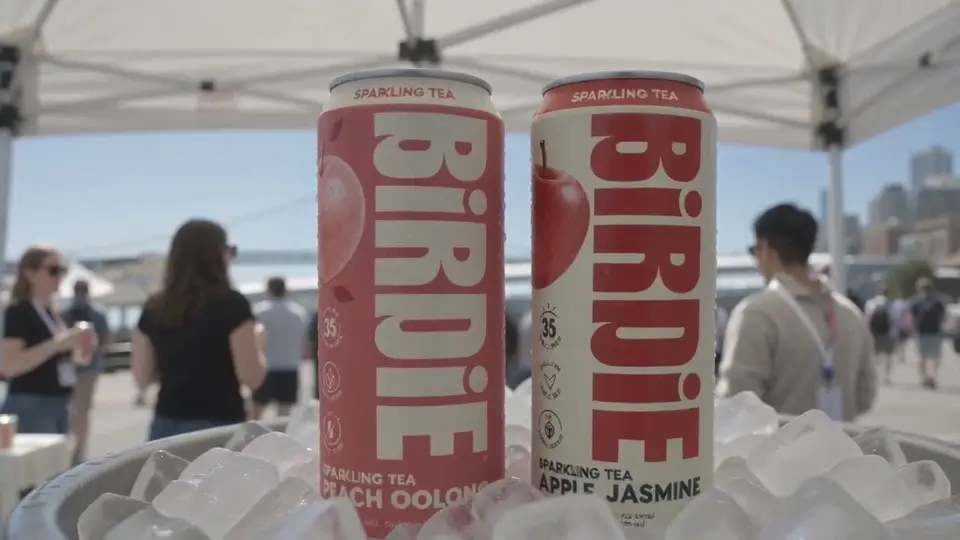
Dahna, original May 2026 interview footage
In this article
Overview
Birdie's co-founder describes a favorite flavor and a different flavor selling out first at the May market. That is a useful prompt for a sampling plan: separate the founder's preference, what shoppers say, and what they buy. The interview cannot establish a fair flavor comparison without starting stock, serving counts and other context.
Watch the Birdie co-founder interview
In this interview
- 0:19Why sparkling tea?
Birdie's co-founder describes the family tea ritual behind the brand.
- 1:10Founder preference and market response
The co-founder explains which flavor sold out first at the May market; this is the speaker's account.
Read the video transcript
Transcribed with automated tools and lightly edited. Unclear audio is marked. Product claims are the speakers' own statements.
Can you introduce us to your brand?
Yeah, so I'm actually a co-founder of Birdie Sparkling Tea. We launched seven months ago in LA. And we're now in 30 different accounts across LA. So we are selling sparkling tea. So we have two flavors, Peach Oolong and Apple Jasmine.
What inspired you to start the brand?
So basically, every Sunday was our family ritual to drink sparkling tea in general. So I come from Asia background. I used to work in Hong Kong, Seoul before coming to the United States. And I realized not many people are drinking healthy tea. So why not create something interesting? So I added sparkling into the tea and now we have sparkling tea. Yeah.
My favorite is Apple Jasmine. My mom also likes Apple Jasmine. But I feel like guys like Peach Oolong. But I go with Apple Jasmine. Yeah.
Yeah, because it has that subtleness, the jasmine fragrance after the after. So you have the apple feel in the first taste and then afterward you have the jasmine floral taste.
I know you guys like sold out, but which one would you say was like the best or like the most popular flavor?
So Peach Oolong actually sold out an hour and a half and then followed by Apple Jasmine. and I think Peach Oolong reminded them some of the drinks they used to drink back in the day. So I think that that helped them to pick Peach Oolong. I think peach is the most preferred fruit in the States. So I guess it's more easy for us to promote the Peach Oolong.
Can you give us three words that best describe your brand?
yeah zen energy and calm yeah so those three words will be a best word to describe my product yeah my brand
Dahna recorded this conversation at MAUM Market San Francisco in May 2026. Birdie is the name used in the recording. At 0:19, the co-founder describes the family tea ritual behind the brand; at 1:10, he discusses flavor preference and the day's response. This article concerns that recorded conversation, not the brand's current range or distribution.
Separate founder preference from customer response
The co-founder names Apple Jasmine as his preference and reports that Peach Oolong sold out first. It is tempting to turn that account into a claim about what a whole market wants. The recording does not provide enough evidence for that conclusion.
A flavor can run out first because it started with less stock, was served more often, was easier to see or appealed to the people visiting that day. The interview identifies a question worth investigating: what did people choose after receiving a comparable opportunity to taste? It does not settle that question.
What to record at the next tasting
For an illustrative LA or SF beverage pop-up, prepare a small tally before the event. Use the same definitions for each option and record when a flavor becomes unavailable. A modest, consistent record is more useful than a recollection that the table felt busy.
| Record | What it helps explain |
|---|---|
| Starting units and replenishments by flavor | Whether stock availability affected the result. |
| Samples served by flavor and time period | How much opportunity each product had to be tried. |
| Purchases by flavor while both were available | What shoppers selected within a comparable availability window. |
| Questions and stated preferences | What to examine next, without treating comments as purchases. |
| Tagged follow-up visits and orders | Whether visitors returned through the recorded route afterward. |
Choose a sampling opportunity that can answer your question
A community sponsorship, a pop-up or a local market can all offer a setting for a tasting. Compare who attends, whether product sampling is permitted, how products will be served and which responsibilities belong to the organizer. A product-only seeding placement may give you distribution with little direct feedback; a staffed table gives you a different kind of observation.
In LA and SF, treat possible partners as leads until the organizer confirms the current date, participation terms and availability. Build the follow-up page and tracking before the event. Even a carefully recorded tasting remains a local observation, not a forecast of national demand.
Sources & further reading
Make the next marketing decision measurable
Work with Ana, supported by Jae on measurement, to define what you need to learn and how the campaign will record it.
Why consider Dahna for this work?
Dahna brings bilingual Korean and English strategy together with creator, content, and measurement work for brands growing in the US. You can review the people behind the recommendations and the kind of work we propose before starting a conversation.
Founder experience includes prior and contracted roles. Sample deliverables illustrate our approach; they are not client results or a performance promise.