How to localize product copy and content for US customers
Product content localization means making an offer understandable in the market where you want to sell. For US customers, that can mean clearer English, familiar product descriptions and accurate delivery information. Keep the parts of your brand that matter; change the details that leave shoppers guessing.

In this article
Overview
Product content localization means making an offer understandable in the market where you want to sell. For US customers, that can mean clearer English, familiar product descriptions and accurate delivery information. Keep the parts of your brand that matter; change the details that leave shoppers guessing.
Review the asset from the customer's starting point
List the assets you already have: product photographs, demonstrations, creator clips, founder interviews and product copy. For each, identify the question it answers and the facts a viewer needs before it makes sense. A beautiful campaign film may be useful for brand atmosphere while leaving a first-time shopper unsure how the product is used.
Use the actual intended customer, not a stereotype about American preferences. A US-founded brand can need the same clarity work as a Korean or European one. Adapt what affects understanding, choice and purchase while keeping distinctive brand qualities that still serve the story.
Give each asset a job
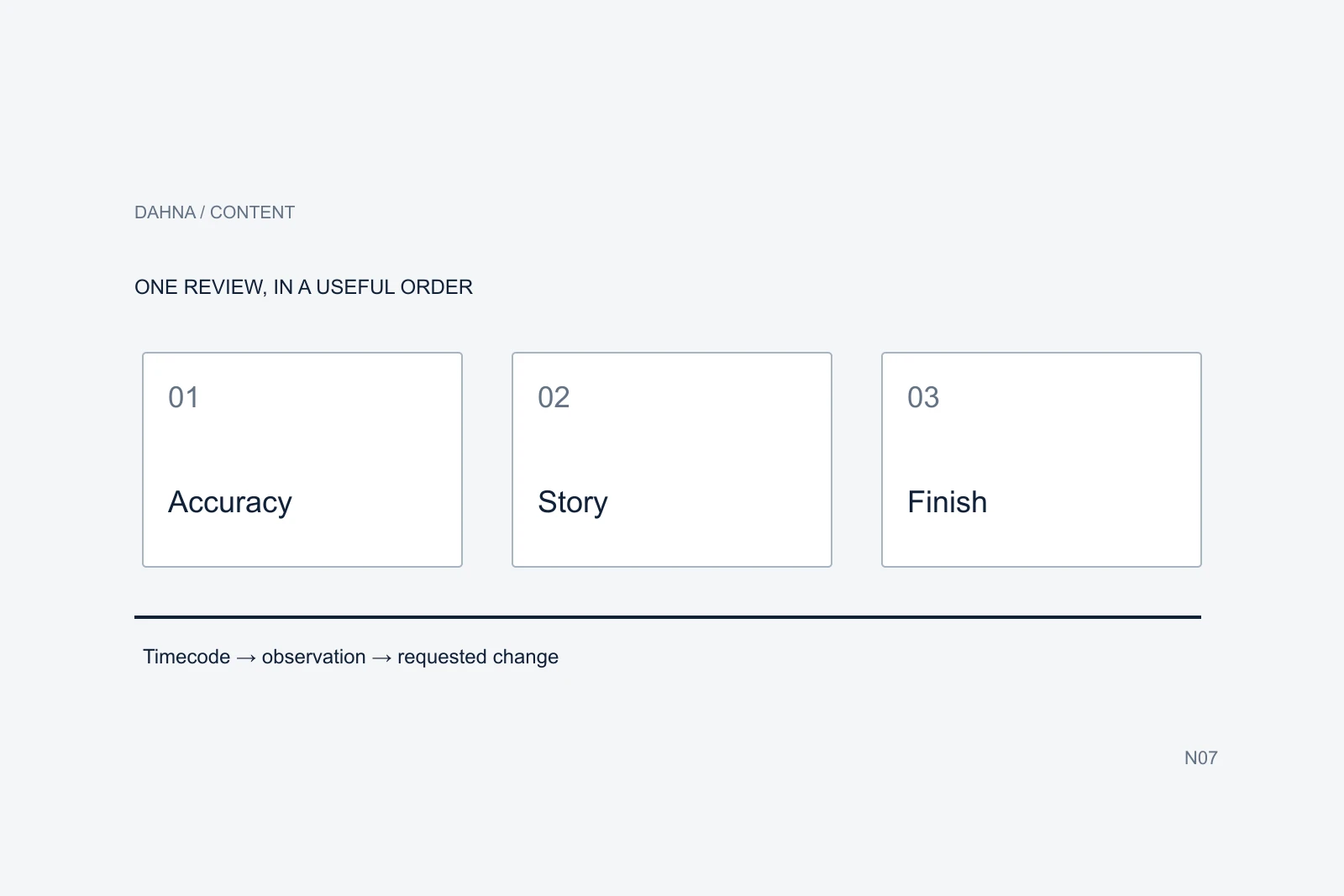
Question
What must the shopper understand?
Existing asset
Does the material answer it accurately?
Missing context
Language, demonstration or purchase facts.
Decision
Keep, translate, adapt or replace.
KASH Beauty: localization across the buying experience
Shopify’s KASH Beauty case identifies Keilidh Cashell as the founder and quotes director Conor Cochrane on aligning marketing, copy and currency with a destination market. This is an international storefront example from an Ireland-founded beauty brand; it does not establish an isolated US conversion lift.
For a Korean or European team entering the US, the useful question is how an asset changes the customer’s expectations. A familiar home-market phrase may assume knowledge of a routine, product format or retail context. Decide whether the US version needs a definition, a demonstration or simply clearer delivery information. Keep the brand’s distinctive origin where it helps the story instead of replacing everything with generic American marketing language.
Have the right people approve the practical details. The copywriter needs confirmed US shipping, returns and product information before promising any of them. Keep those facts in a shared sheet, and use it for the ad, creator brief, store and support answers. Customers should receive the experience the campaign describes.
Review the same assets with your US and overseas teams
Imagine a European beauty brand with a successful home-market demonstration and a US storefront ready to launch. This is an illustrative workflow, not a claim about KASH Beauty. First identify the product version in the footage, then compare it with US stock. If packaging differs but the demonstration is still accurate, the team may need a corrected close-up rather than an entirely new shoot.
Next review the spoken explanation and captions. Mark assumptions a first-time US buyer may not understand, including size references, routine steps and retailer availability. Ask a person unfamiliar with the original campaign to explain what they would receive and how they would buy it. Their questions can reveal an adaptation need more directly than an internal debate about whether the creative feels local enough.
Finally test the linked destination. Currency, selected variant, promotion, shipping and support should agree with the creative. Keep a change log so the overseas and US teams know which edits are factual corrections and which are creative choices. Reuse the shared learning across later assets, while checking product-specific differences rather than treating one localized video as approval for the whole catalog.
| Asset detail | Decision | Required evidence |
|---|---|---|
| Product use is accurate; opening assumes local familiarity | Adapt the explanation | A new viewer can describe the product and its use. |
| Footage shows a different sold version | Replace or label the affected footage | Product owner confirms the exact version. |
| Offer depends on unavailable US delivery terms | Correct the promise and destination | Operations verifies what can be fulfilled. |
Keep the US product story consistent
Identify
Match the asset to the US product and customer.
Adapt
Resolve the specific gap in understanding.
Reconcile
Check creative, storefront and operations together.
A worked keep, adapt or replace example
Consider an illustrative Korean cleanser launch. The brand has a product close-up, a Korean-language routine video and a campaign line about a ‘daily reset.’ The product fact sheet confirms size and application instructions, but the English page does not yet explain the routine step or US delivery.
The table shows how that fictional brand could reuse the strongest material and fill the gaps. Every product claim and delivery detail still needs to come from the brand’s current records.
| Existing material | Decision | Completed instruction |
|---|---|---|
| Clear product close-up | Keep | Use the current packaging image beside the product name and size. |
| Korean routine demonstration | Adapt | Add accurate English captions and a concise explanation of where the cleanser fits in the routine. |
| ‘Daily reset’ campaign line | Add context | Keep it as brand language; add a factual explanation of use and the product's verified characteristics. |
| Home-market delivery banner | Replace | Show the current US delivery information confirmed by the operations team. |
| Unverified performance claim | Hold | Request evidence and the appropriate review before using the claim in copy or video. |
Explain the product before adding persuasion
A useful revision tells a shopper what the product is, what situation it is intended for, how to use it and what practical conditions affect the purchase. Do not add a medical, regulatory or comparative claim simply because it sounds persuasive in English.
Start with the approved facts, then write the sentence. In the fictional example below, the brand has confirmed that the item is a rinse-off gel cleanser, its size is 150 mL and its instructions say to massage it onto damp skin and rinse. Those are assumptions for this exercise, not facts about a real product.
The revised copy answers what the item is and how it is used. It does not add “clinically proven,” “suitable for every skin type” or a promised result. If a claim is essential to the positioning, obtain the supporting evidence and approval before putting it into the headline. Translation should not quietly become a new product claim.
| Part of the page | Before | After |
|---|---|---|
| Opening | A daily reset for your best skin. | A 150 mL rinse-off gel cleanser for the cleansing step in your routine. |
| Use instructions | Experience a fresh new beginning. | Massage onto damp skin, then rinse. |
| Brand language | Daily reset is the only product explanation. | Keep “daily reset” as the campaign line beside the factual product description. |
| Delivery | A home-market shipping promise copied into English. | Use the current US delivery estimate and charges supplied by operations. |
Reshoot only the unanswered question
New footage is justified when the existing material cannot show something important, such as texture, scale, application or a comparison. A short additional demonstration may solve the problem more efficiently than replacing the entire campaign.
Confirm permissions for reuse and editing before reworking creator content. The brand should identify claims and product facts that require approval; the production team should identify the shot needed to answer each customer question. Rights and approval requirements belong in the brief before shooting.
A focused production brief
Missing answer
A shopper cannot judge a relevant product detail.
Required shot
Specify the demonstration that reveals it.
Approved facts
Match spoken words and captions to the product record.
Destination
Use the same explanation on the page where shoppers buy.
Keep one shared asset list
Maintain an asset list with its purpose, approved wording, current version, permitted uses and owner. A bilingual discussion can resolve an ambiguous product explanation before it becomes a production revision. Keep cultural interpretation separate from factual product approval.
Dahna’s Korean-English perspective can help teams connect the original product story with US copy, creative and product pages. Agree on the assets to adapt, any new production needed and who approves product facts before work begins.
- One current product fact sheet
- Existing assets with confirmed usage permissions
- The intended US customer and purchase destination
- Keep, adapt, replace or hold decisions for each asset
- A named approver for product facts and creative
Prepare your localization sheet
Prepare a localization sheet with original asset, US customer question, approved adaptation, supporting fact, owner and destination URL.
Use the downloadable planning sheet linked below to adapt the examples to your brand. Add the current product information, the person responsible for each task and the check that will show the work is complete. Keep unanswered questions visible for the project discussion.
About the sources
Shopify’s KASH Beauty account identifies founder Keilidh Cashell and quotes director Conor Cochrane about adapting the storefront to its market. It is an international example, with no isolated US conversion result used here.
The adidas example comes from SearchPilot’s interview recap with Matthew Morrisey and Will Critchlow, published in November 2025 and updated in February 2026. It describes a flat conversion test and a positive SEO result, without a numerical uplift or raw experiment data.
Sources & further reading
Adapt your content for US shoppers
Dahna can help you decide what to keep, translate, rewrite or film for US customers. The aim is to make the offer easy to understand while keeping the brand’s character.
Why consider Dahna for this work?
Dahna brings bilingual Korean and English strategy together with creator, content, and measurement work for brands growing in the US. You can review the people behind the recommendations and the kind of work we propose before starting a conversation.
Founder experience includes prior and contracted roles. Sample deliverables illustrate our approach; they are not client results or a performance promise.
We’ll agree on deliverables, responsibilities and approvals before work begins.