What should a digital marketing agency do in its first 30 days?
A digital marketing agency’s first month should make the business easier to understand and the work easier to evaluate. The team should confirm the problem, validate access and measurement, agree a focused scope and deliver the first useful changes. A calendar full of meetings is not the same as progress.
Dahna, original planning diagram
In this article
Overview
A digital marketing agency’s first month should make the business easier to understand and the work easier to evaluate. The team should confirm the problem, validate access and measurement, agree a focused scope and deliver the first useful changes. A calendar full of meetings is not the same as progress.
The decision in context
The right sequence depends on the brand. An established US store with a broken purchase signal needs different work from a Korean brand preparing its first US product explanation or a European business coordinating a retailer launch. Start with the constraint, then choose the services that address it.
Name the job before asking for every service
A digital marketing agency can coordinate several specialties, but your first engagement should not require every specialty at once. State the business decision or customer problem in one sentence. For example: relevant shoppers reach our device page but cannot tell what the kit contains, and our paid campaign reports cannot be reconciled with orders.
That brief suggests product content, a targeted website correction and measurement work. It does not automatically justify a full rebrand, a new social channel and a large article program. A strong agency should explain why its first scope is appropriate and what it is deliberately leaving for later consideration.
List the resources the brand already has: product expertise, approved claims, usable creative, development support, inventory and customer service. The agency’s role is easier to define when those capabilities are visible. Buying work you can already do well may leave the actual bottleneck untouched.
| Brand situation | Possible first workstream | Useful first output |
|---|---|---|
| Product is hard to understand | Content and website | Approved explanation and a usable product path |
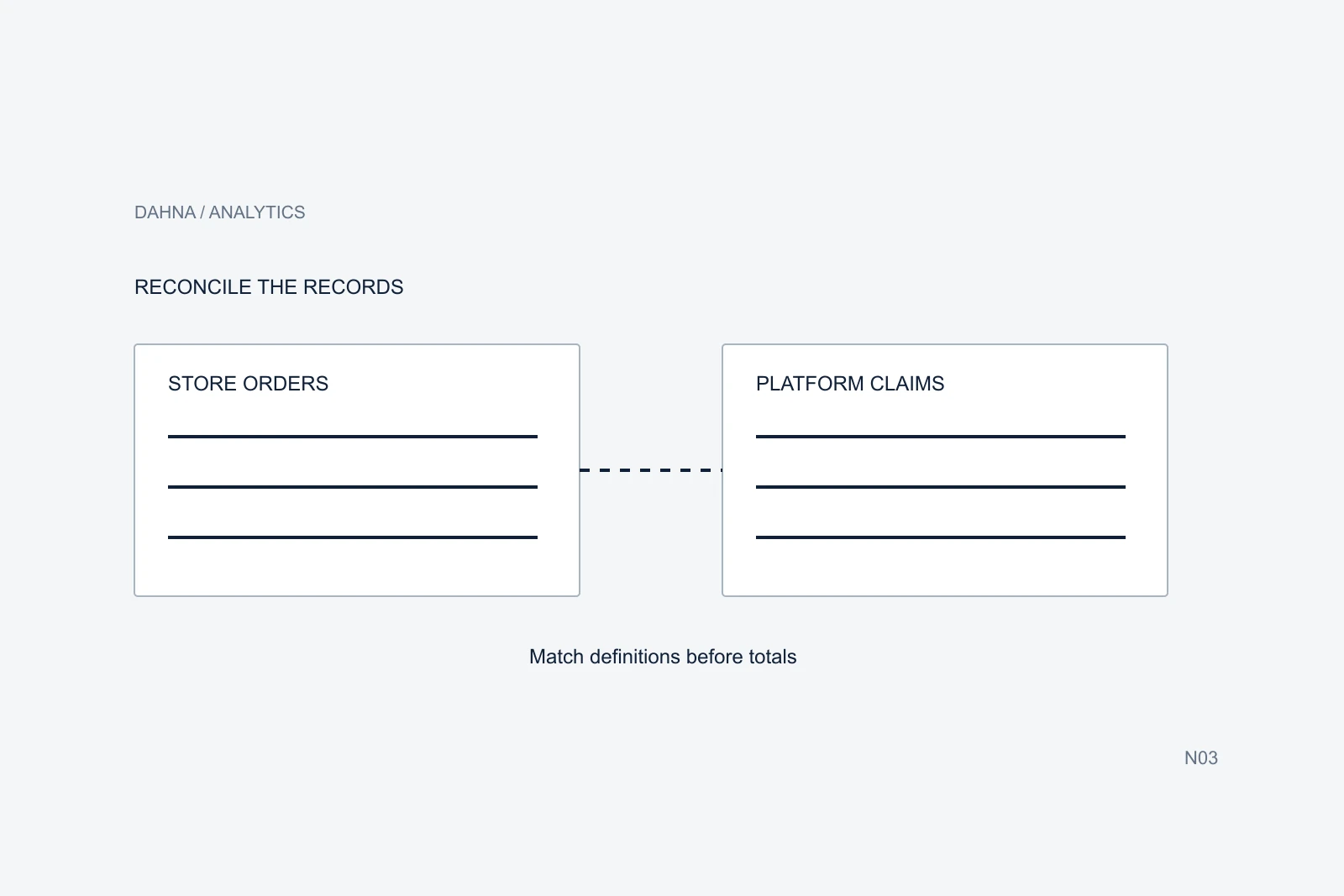
| Campaign results cannot be trusted | Analytics and paid media | Validated definitions and a reconciled example |
| Creators lack a usable brief | Influencer/content operations | Product facts, deliverables and approval process |
| Relevant questions have no useful destination | SEO and GEO | An intent map and a scoped page improvement |
| Brand is difficult to recognize consistently | Branding | A clear identity/voice handoff for the active channels |
Make onboarding produce a working record
Use the first conversations to build a concise business record: priority products, intended customer, market, commercial constraints, approved product information and decision owners. Ask the agency to identify missing information rather than silently filling gaps with assumptions.
Access should match responsibility. Shopify’s collaborator process provides one example of reviewing a partner’s requested permissions. The broader principle is to name the accounts, owners and permissions required for the agreed work. Do not turn an onboarding checklist into a request for unrestricted access to everything.
Confirm communication and approval. Who approves product claims, changes a budget, releases a website correction or handles an urgent stock issue? A campaign can lose days when the creative is ready but no one knows who can authorize the final fact or destination.
Ask for an inspectable diagnosis, not just a presentation
The initial diagnosis should connect observations to proposed actions. If the agency says the website is confusing, it should show the task and the evidence. If it says the creative needs a different angle, it should identify the customer question or response that supports that recommendation.
Separate confirmed defects from hypotheses. A purchase event firing twice is a defect to repair. A belief that a routine-led video will work better than an ingredient-led video is a hypothesis to test. The brand should know which type of claim it is approving.
Request the proposed scope in a form the implementation team can use: deliverable, owner, dependency, acceptance check and review date. A strategy becomes useful when it can be translated into that level of responsibility without losing its purpose.
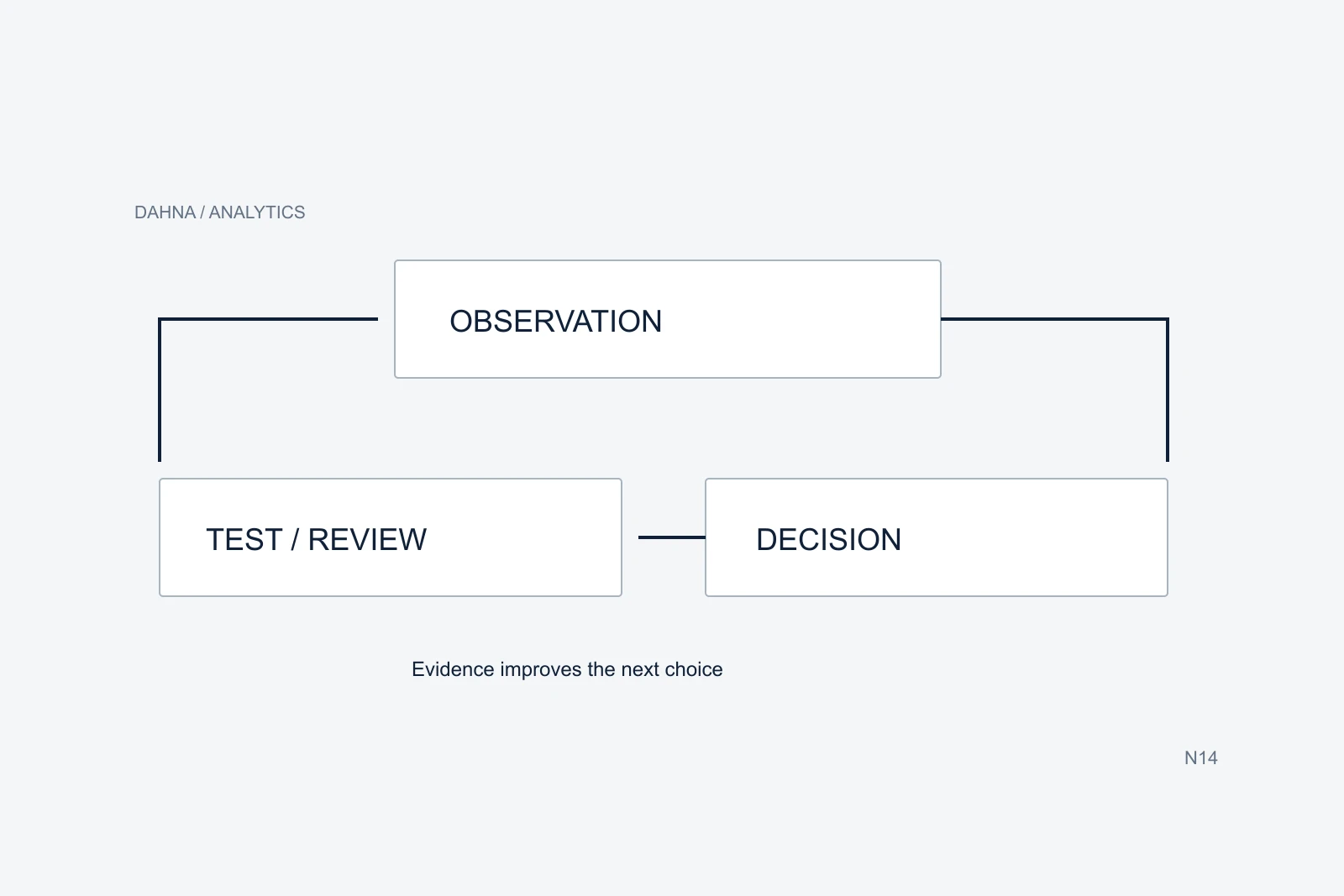
From agency diagnosis to delivered work
Observe
Show the customer or business problem.
Decide
Explain the first scope and its assumptions.
Deliver
Name the owner, dependency and output.
Review
Check completion and the next useful evidence.
A completed first-month example for a US launch
Consider a fictional Korean skincare brand with three US products, a working store and a limited test budget. The brand can approve product facts quickly but has no dedicated analyst. Creator samples are available, and the hero product’s page leaves its place in a routine unclear.
The first month could focus on a shared product brief, one improved hero-product explanation, a small creator demonstration scope and a verified measurement setup. Those deliverables form a connected project: the same product facts travel from the page to the creator and into the reporting definitions.
The agency should not promise that the month will establish a profitable, scalable acquisition channel. It can promise to complete the agreed work, make dependencies visible and report the evidence needed for the next decision. That distinction keeps the commercial discussion realistic without making the engagement vague.
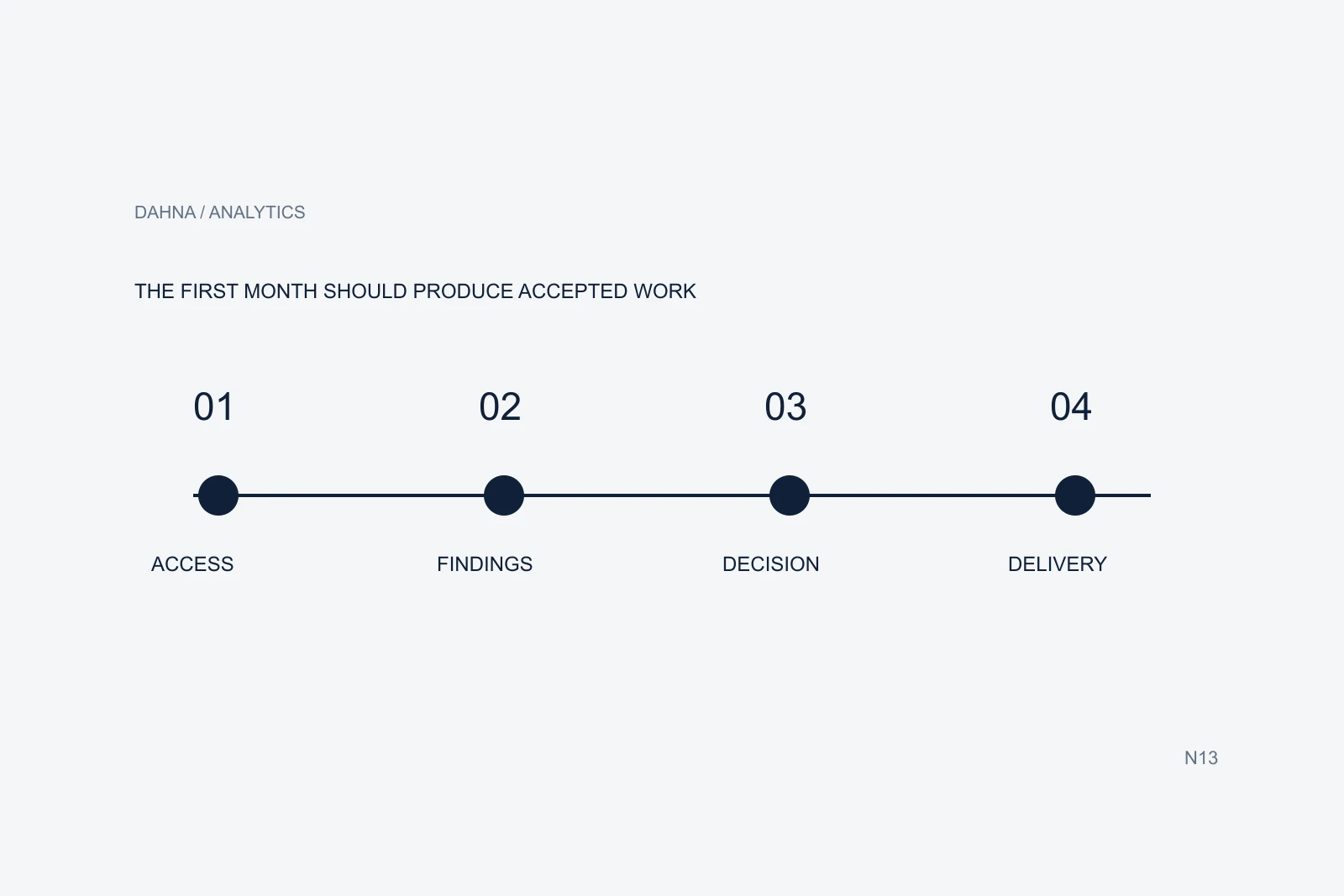
| Period | Output | Brand responsibility | Acceptance |
|---|---|---|---|
| Opening week | Product facts, access record and priority decision | Confirm facts, budget limits and owners | A shared brief the team can execute |
| Implementation | Hero-page explanation and measurement checks | Approve factual changes and provide access | The buying task and defined events work |
| Content delivery | Agreed creator demonstration assets | Provide samples and timely fact review | Assets answer the brief and use the correct product |
| Month-end review | Work log, observations and next recommendation | Review commercial context and unresolved questions | A documented keep/change/investigate decision |
Judge the first report by the decisions it supports
The report should show completed work and observed outcomes separately. It can state that a product page shipped and that a purchase-event check passed. It should be more cautious about whether early traffic or sales movements were caused by those changes, especially when the counts are small.
Ask for the definitions behind each number and the other changes that occurred during the period. An agency should not add together overlapping platform-attributed orders or describe every form submission as a qualified lead. Those are reporting choices that can change the apparent success of the engagement.
The commercial review should end with a recommendation and a reason: repeat a useful demonstration, repair an unresolved issue, change the offer, continue observation or stop a poorly supported activity. That is how data improves the relationship rather than simply decorating it.
What good coordination looks like across specialties
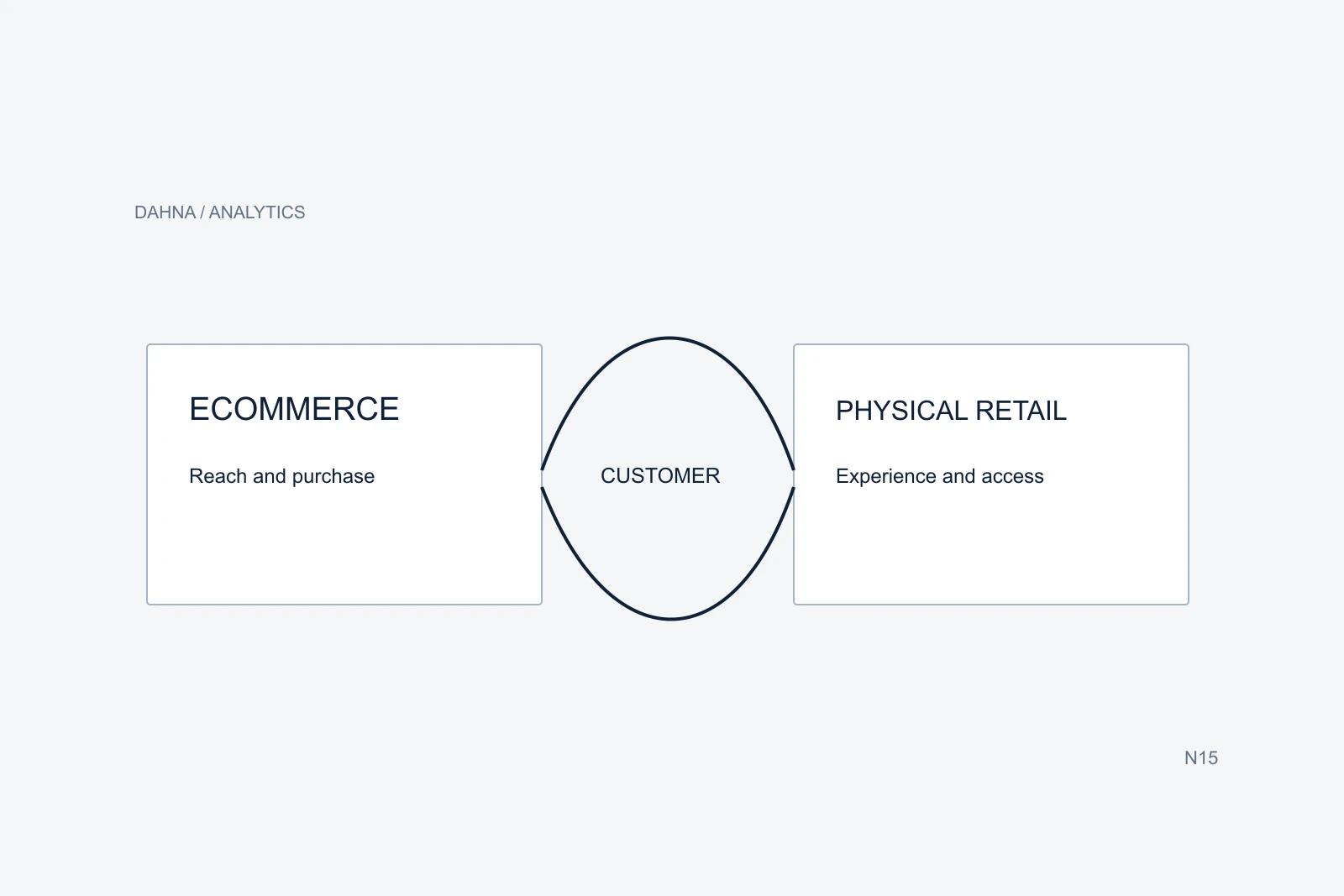
A website team should know which creative promise brings the customer to the page. A creator team should know which product version is actually available. A search team should know which questions the product page already answers. Coordination means these facts and decisions are shared before output is produced.
For international teams, agree the working language, local market assumptions and approval turnaround. US customer understanding may require clearer category language or buying information, not merely an English translation. Keep market-specific product facts with the people qualified to approve them.
This is also where an agency should be candid about boundaries. It may coordinate marketing around fulfillment or a retailer launch without replacing the specialists responsible for logistics, contracts or regulatory decisions. The proposal should describe the actual role rather than imply ownership of every business function.
- One approved product record across the active workstreams.
- A named decision-maker for budget, claims and release approvals.
- A shared change log and a short unresolved-issues list.
- A reporting method the brand can inspect and retain.
How to brief Dahna for a useful first month
Bring the product, the customer decision you need to improve and the constraints that shape the work. Dahna can connect branding, content, creators, website work, search and paid media around that brief. The first scope should make the most useful connection for your current stage.
Ask for a clear statement of deliverables, dependencies, evidence and the next review. That gives the brand a practical way to assess the engagement and gives the agency a focused job to do. A good first month leaves the business with useful completed work and a better-grounded decision about what comes next.
Use this guide in your next brief
Download the tables from this guide as a working reference. Keep the example assumptions separate from your own figures, and record the source and date of any numbers you replace.
Sources & further reading
Plan your next measurement decision
Describe the customer or commercial problem you want the first month to resolve, your priority market and the internal people available to approve and implement work.
Why consider Dahna for this work?
Dahna brings bilingual Korean and English strategy together with creator, content, and measurement work for brands growing in the US. You can review the people behind the recommendations and the kind of work we propose before starting a conversation.
Founder experience includes prior and contracted roles. Sample deliverables illustrate our approach; they are not client results or a performance promise.
External examples are research references, not Dahna client results or promised outcomes.