How should a brand set up Google Merchant Center free listings?
Prepare the catalog and buying experience before treating free listings as another traffic channel. The essential job is to give Google accurate product information and send shoppers to a page where the same item, price, availability, and market conditions are clear. Approval makes a product eligible; it does not promise impressions or sales.
Dahna, original planning diagram
In this article
Overview
Prepare the catalog and buying experience before treating free listings as another traffic channel. The essential job is to give Google accurate product information and send shoppers to a page where the same item, price, availability, and market conditions are clear. Approval makes a product eligible; it does not promise impressions or sales.
Free distribution still requires operating work
Google describes free listings as a way for products to appear across eligible Google surfaces without paying for each ad placement. The word “free” refers to that distribution opportunity, not to the internal work of preparing product data, maintaining policy information, or resolving item issues. Decide who owns that work before connecting an app.
This distinction is useful for a Korean or European brand entering the US. A translated product title cannot compensate for a checkout that does not ship to the target customer or displays a different currency unexpectedly. Start with a small group of products that the US operation can reliably sell and support.
Check the store before importing the full catalog
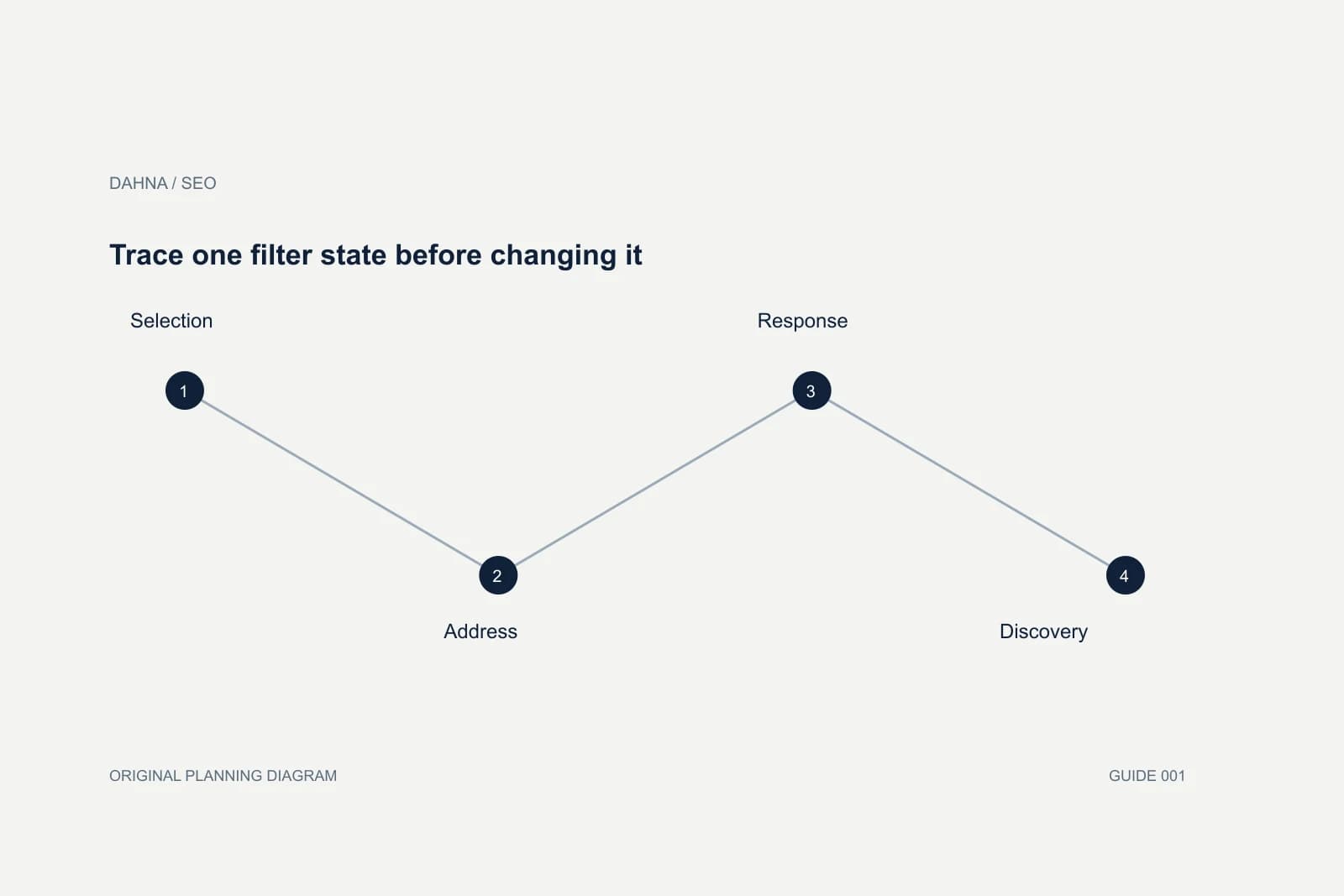
Use a real purchase rehearsal: open a product on mobile, select a variant, review the price, locate delivery and return information, and proceed far enough through checkout to confirm that the intended market is supported. Do not submit an order unless the team has authorized a test transaction. Record the exact URLs and conditions, including any market switch.
Once that path works, compare the catalog source with the page. Small inconsistencies are easier to resolve before hundreds of items inherit them. Check product naming, identifiers, images, quantities, currencies, availability, and the landing URL. A bundle, refill, or subscription offer may need more explanation than a simple single-item listing.
| Area | Ready means | Who can confirm |
|---|---|---|
| Product identity | The feed row refers to the exact sellable item | Catalog owner |
| Offer | Page and data show matching price and stock | Ecommerce operator |
| US purchase path | A US customer can understand delivery and checkout | Operations and website team |
| Policy information | Customer-facing information is accessible and accurate | Brand owner |
| Maintenance | An owner reviews item issues and changes | Named feed operator |
Use the site and the product data together
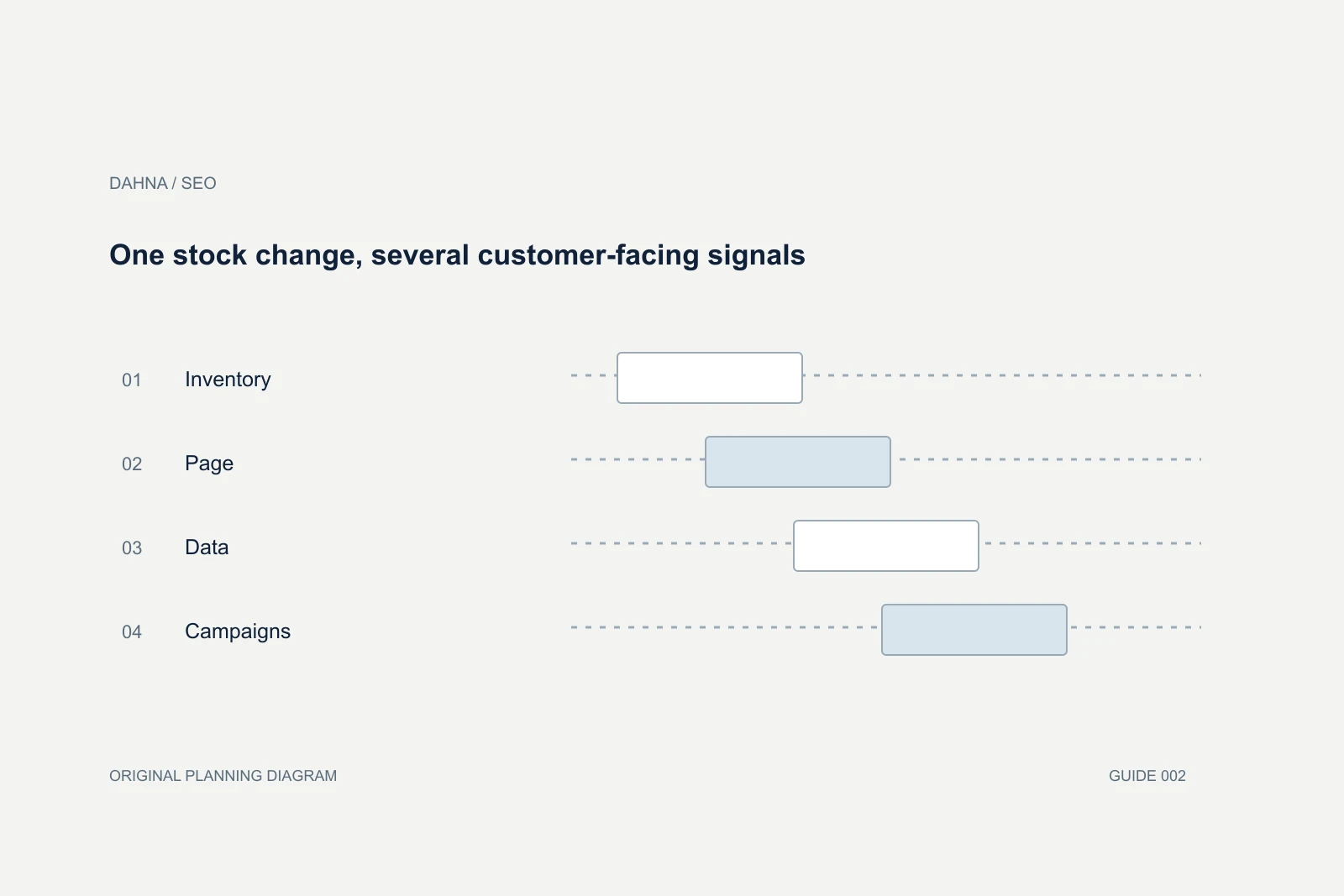
Google recommends sharing ecommerce information through structured data and Merchant Center. These serve related purposes: the page explains the product to visitors, while the submitted data gives a structured catalog view. The agency should explain how updates move between the store and Merchant Center and what happens if synchronization fails.
Do not assume that installing a connector means every field is correct. Ask for a sample export and compare it to the selected product page. If a product’s price changes frequently or stock turns quickly, the maintenance process matters more than a one-time launch screenshot. A short exception queue is more useful than an unexplained green dashboard.
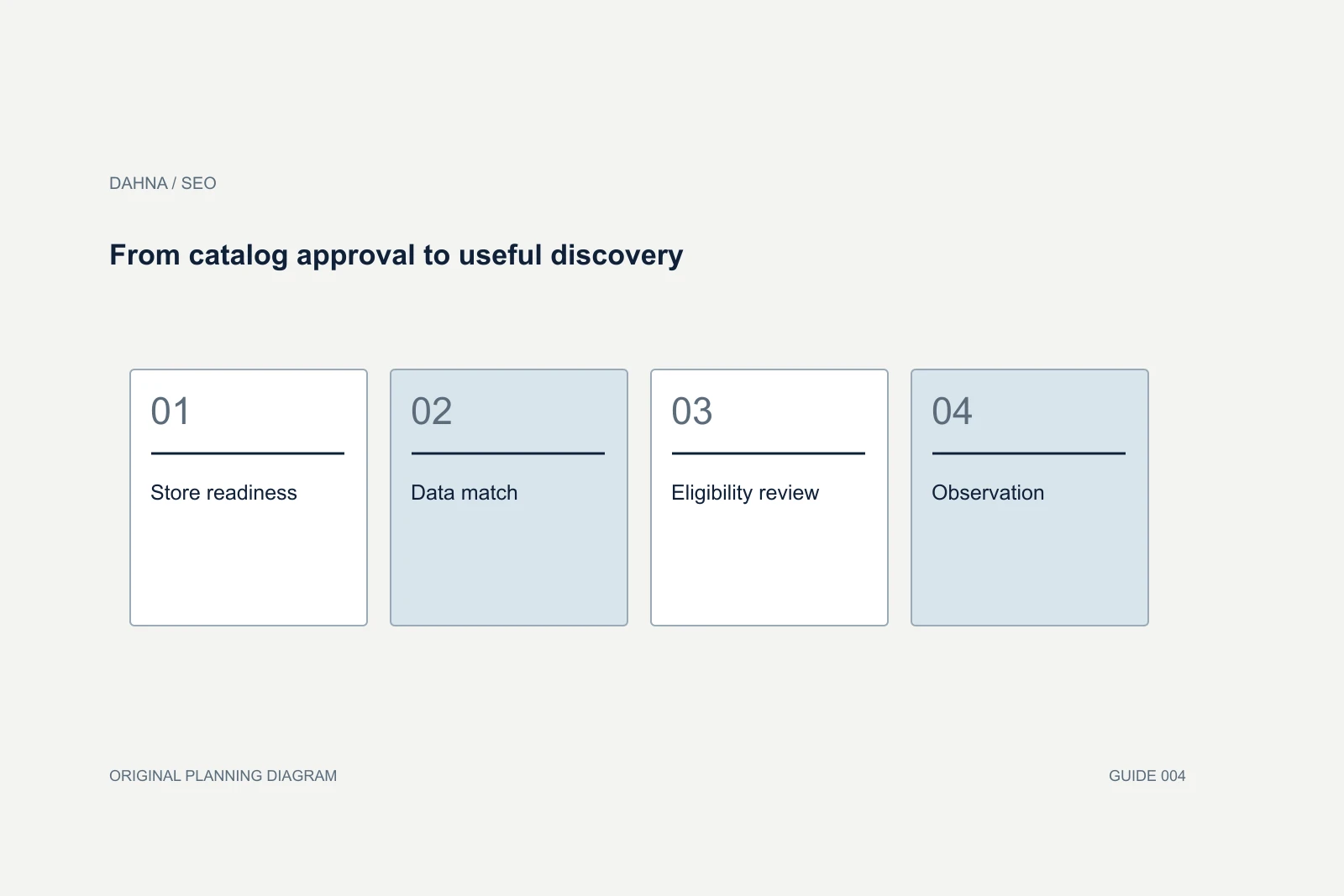
From catalog approval to useful discovery
Store readiness
A real US buying path works.
Data match
The selected item agrees across sources.
Eligibility review
Resolve applicable account and item issues.
Observation
Measure actual exposure and customer activity.
When approved products still do not appear
A public Reddit merchant question describes products marked approved and eligible while the merchant observed fewer products in Shopping results. The post is useful evidence of a buyer’s uncertainty, not proof of the cause or of a universal platform problem. It captures the question an agency should be able to answer: what does approval establish, and what still needs investigation?
Start by separating a reproducible item problem from a personal search observation. Record the product identifier, target country, destination, date, and account diagnostics. Check whether the item was recently edited, whether its landing page changed, and whether the visible selection matches the submitted one. A single brand-name search from one browser is not a complete exposure report.
The response should end with a next diagnostic action, not a made-up ranking explanation. If account evidence is insufficient, label the cause unresolved and seek platform support with specific examples. Promising to “force” all approved items into a search result misrepresents what the agency controls.
An illustrative ten-product pilot
Imagine a skincare brand with 80 sellable items preparing its first US listing program. The team chooses ten stable products: a mix of hero items and supporting products with clear photographs, identifiers, and stock. Before launch, two have inconsistent bottle sizes in their titles and one leads to the global rather than US storefront. Those issues are repaired before the rest of the catalog is added.
For the first reporting window, the agency separates item eligibility, observed listing activity, website visits, and completed store orders. These are different stages. Zero visits with approved items calls for a distribution and relevance investigation. Visits followed by abandoned checkout call for a buying-path investigation. Neither should be explained automatically as a feed problem.
The fictional pilot is deliberately small enough for manual verification. Its purpose is to test the maintenance process as well as the data. Once the brand can change a price or mark an item unavailable and verify the result, expanding the catalog becomes a controlled operating step.
Ask for a report that connects issues to action
A useful report lists unresolved item issues, material catalog changes, actual channel observations, and the next owner. Keep paid Shopping performance separate from free-listing observations so the team does not credit the same sales twice. If analytics cannot reliably distinguish a source, disclose the limitation instead of filling the gap with estimates.
Include product-level commercial context. A listing for an unavailable hero product and a listing for a fully stocked accessory may have different urgency even when the diagnostic message is identical. The best prioritization combines eligibility, buyer relevance, inventory, and the cost of fixing the issue.
| Observation | Next action | Owner |
|---|---|---|
| Landing page selects wrong size | Repair URL selection and retest item | Developer |
| Stock disagrees across sources | Trace synchronization and confirm source of truth | Catalog operator |
| Eligible item receives little observed activity | Review country, relevance, presentation and reporting coverage | SEO lead |
| Visits reach a broken delivery path | Repair customer experience before scaling catalog | Ecommerce owner |
Separate account ownership from connector ownership
The brand should know which account holds the catalog and which app or partner controls each data source. When two connectors submit the same items, a team can waste time editing a row that is overwritten by another source. Ask for a simple inventory of active integrations, item-ID conventions, and the person who can change them.
Include a handover test: can the brand owner find the diagnostics, identify a specific item, and understand where its title or price originates? If only the agency knows how the setup works, the operational risk remains after launch. Document the access and maintenance process before expanding the catalog or changing providers.
What to ask Dahna for
Ask for a free-listing readiness review, a small catalog pilot, and an ongoing maintenance scope with clear responsibilities. Dahna can connect SEO planning, product presentation, and website fixes so the project does not stop at account setup. The brand should retain ownership of the account and underlying product data.
If you also plan paid Shopping campaigns, make that a separate workstream with its own budget and measurement. The shared catalog can support both, but advertising strategy should not be smuggled into a promise of free traffic.
Continue with the related decision
Use these guides when the next question goes beyond the scope of this article.
Use the editable decision sheet
Download the completed tables as a CSV, then replace the example inputs and add your evidence, owner and review date. Illustrative figures are teaching examples, not default targets.
Sources & further reading
Bring this decision to Dahna
Use this guide to prepare a focused brief. Tell Dahna what needs to change, which evidence you already have and when you need a decision.
Why consider Dahna for this work?
Dahna brings bilingual Korean and English strategy together with creator, content, and measurement work for brands growing in the US. You can review the people behind the recommendations and the kind of work we propose before starting a conversation.
Founder experience includes prior and contracted roles. Sample deliverables illustrate our approach; they are not client results or a performance promise.