Influencer seeding vs paid partnerships: which should come first?
See what a gifted product can and cannot require, what the FTC says about disclosing gifts, and whether to seed or pay first at your stage.
Influencer seeding vs paid partnerships: which should come first?
Say you’ve just launched a hair oil in the US. You have no creator relationships yet. You have a box of spare bottles and no fixed launch date. Should you mail the oil to creators for free? Or should you pay a few to post?
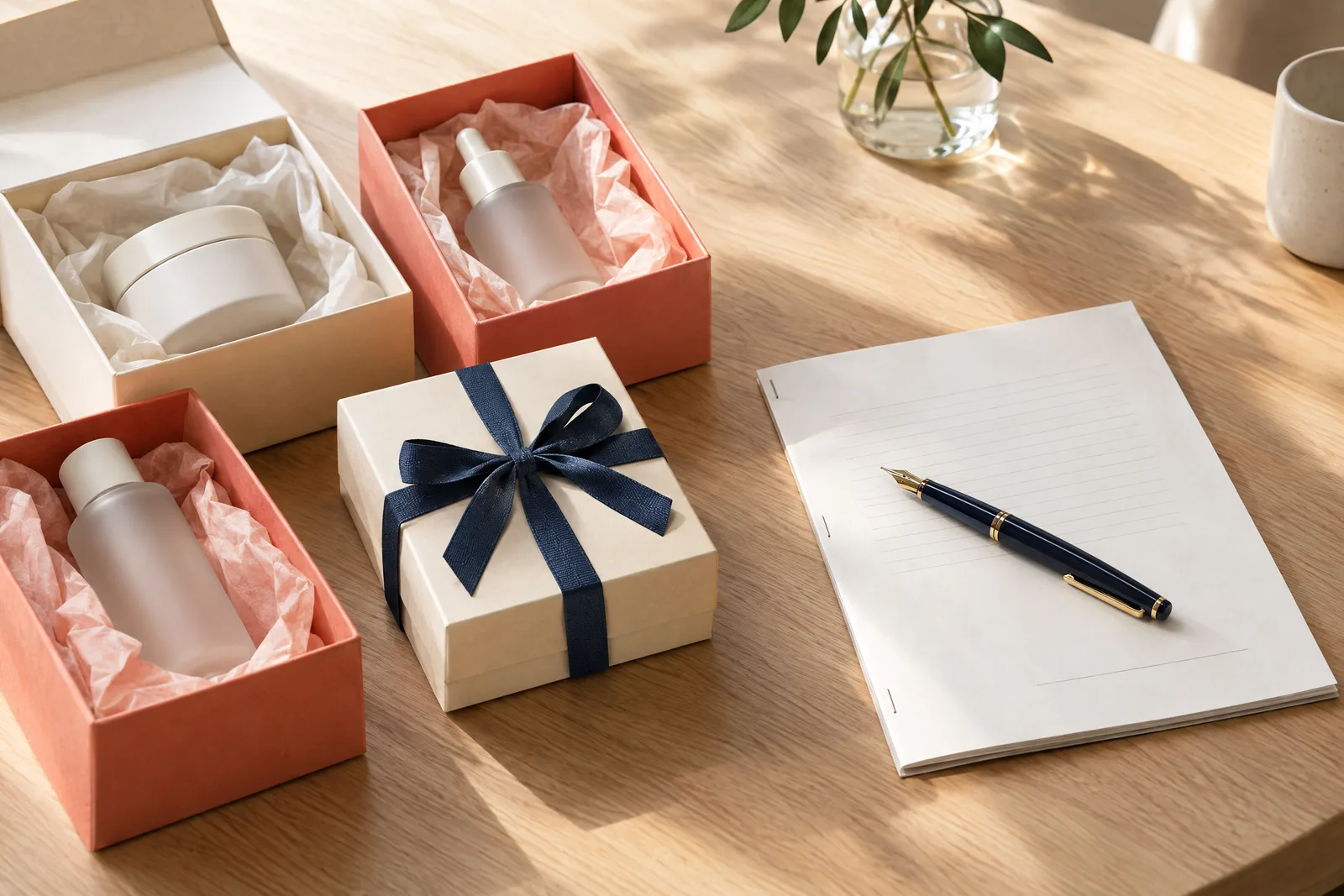
In that spot, start with influencer seeding. Gifting with no obligation shows you which creators use the product and can explain it. Those are the people worth paying next. Pay first if you need a post on a set date. Pay first if you want a say over what’s claimed. Pay first if you want to run the video as an ad. A gift can require none of those.
The order matters because the two deals give you different things. Seeding gives you information and relationships. A paid partnership gives you a promised post. Say your plan needs dated posts but only pays in gifts. Then you can’t hold creators to its date. And paid posts from creators you’ve never tested cost more to get wrong.
What is the difference between seeding and a paid partnership?
Product seeding is sending a creator your product with no obligation to post. A paid partnership is a contract. The creator agrees to make and publish named content, and you pay a fee.
A third deal sits in between. It is product in exchange for a promised post. In our view, that’s a work agreement paid in product. It belongs in the contract column of the table, even when no money moves. Say you send your hair oil with a note asking for a video in return. Then you’re in that third column.
What seeding and a paid partnership each allow
| Term | Seeding (gift, no obligation) | Paid partnership (contract) |
|---|---|---|
| What the creator receives | Product, and nothing else | A fee, usually with product |
| Whether a post happens | The creator decides | Agreed in the contract |
| Date and format | Cannot be required | Named in the contract |
| Review before posting | Cannot be required | Can be agreed; the FTC says posts are easier to review before they go up than to find afterwards |
| What is said | The creator's honest opinion, good or bad | The creator's honest opinion, inside an agreed brief and claims list |
| Reuse and ad authorization | None unless the creator grants it later | Whatever the contract grants, for a stated term |
| Disclosure | Required if the creator posts; the brand should ask for it | Required; the brand should brief it and check it |
What can a seeding gift require, and what can’t it?
A no-obligation gift can require nothing in return. You can’t hold the creator to a post or a date. You can’t hold them to a format, a script or a second take. Say your message says the product comes in exchange for a video. Then you’ve asked for promised work. In our view, the creator can then treat it as paid work and quote for it. You can still say you’d love to see what they think.
A gift also gives you no license to the video. To repost it, ask first. Get written permission that names where you’ll use it and for how long.
Ask every recipient for one thing: a disclosure if they post. You may also send product facts. You may tell the creator what must not be claimed. The FTC’s guidance for businesses asks a question. Is training material enough for influencers who only get free products? Its answer opens “It’s important, but insufficient”. As we read the rest, training should also cover what recipients can and can’t say about the product.
You can’t ask for a favorable review. The same FTC page says “Endorsements must reflect the honest opinions or experiences of the endorser.” A gift sent on condition of praise is payment for praise. Say a seeded creator dislikes your hair oil and says so. Then the deal is working as described.
Does a gifted post need a disclosure if you never asked for it?
Yes, a gifted post needs a disclosure even if you never asked for the post. The FTC’s guide for influencers, dated November 2019, says: “If a brand gives you free or discounted products or other perks and then you mention one of its products, make a disclosure even if you weren’t asked to mention that product.” It also says “Financial relationships aren’t limited to money.” A free moisturizer is a connection between the creator and your brand. So is a free bottle of hair oil. That holds whether or not you asked for anything.
The duty reaches the brand as well. The FTC’s questions-and-answers page for businesses shows the date June 2023. It covers this exact case. One sentence begins: “If a company sends influencers a free unsolicited product and nothing else, it should ask them to clearly and conspicuously disclose the gift in any resulting social media posts or other endorsements”. The same answer tells the company to explain how to disclose. It says to ask recipients to tag the brand and to monitor the posts. It adds that a company whose influencers get only free products is “still on the hook for their deceptive claims”.
On wording, the page says one word is likely to be ambiguous. That word is “Gifted” alone, without a brand reference. It continues: “However, ‘Gifted by XYZ’ (when XYZ is a brand name) should be sufficient when all you’ve received is a free product.” For video, the influencer guide says “the disclosure should be in the video and not just in the description uploaded with the video.” So a creator who posts about your hair oil should say who gifted it. That goes inside the video itself.
TikTok has a matching rule of its own. Its Branded Content Policy is effective October 30, 2026. It counts among branded content “A product or service that has been gifted to you by (or on behalf of) a brand”. It says “When posting branded content, you must enable the commercial content disclosure toggle.” The FTC says a platform tool may not be enough alone. The FTC adds: “To be on the safe side, it’s always best to add your own disclosure even if a platform offers its own disclosure tool.” We read all of these pages on November 11, 2026. This isn’t legal advice.
What can a paid partnership require?
A paid partnership can require whatever both sides sign. A contract can name the number of posts, the platform and the date. It can name the product facts to include and the claims to avoid. It can also name a review step and the disclosure wording. On review, the FTC’s business page speaks to pre-approved posts. It says “It’s much easier to review posts before they’re posted than to search for them afterwards.” On scripts, it says “There is nothing inherently wrong with using pre-written posts as long as the influencers are being truthful.”
Payment has limits too. The influencer guide says “You can’t talk about your experience with a product you haven’t tried”. So a paid creator needs the product, and time to use it, before the post date. For your hair oil, the bottle must ship well ahead of the contract date.
A fee buys the post, but the footage stays the creator’s. Want to run the video as an ad or put it on a product page? Then the contract has to grant that use for a stated term. On TikTok or Meta, the creator also has to authorize the post inside the platform. Our article on Spark Ad permissions covers the TikTok side. A Spark Ad runs a creator’s own post as an ad.
Hiring an agency to run either program doesn’t move the responsibility. Take a company whose public relations firm runs its social media program. The FTC’s answer is: “Your company is ultimately responsible for what others do on your behalf.” Say you want one team to send product and follow up. Say it should also brief paid creators and check disclosures. That’s the work of influencer and creator marketing. The briefing text and checking routine should be yours to read.
Seeding or paid posts: which comes first at your stage?
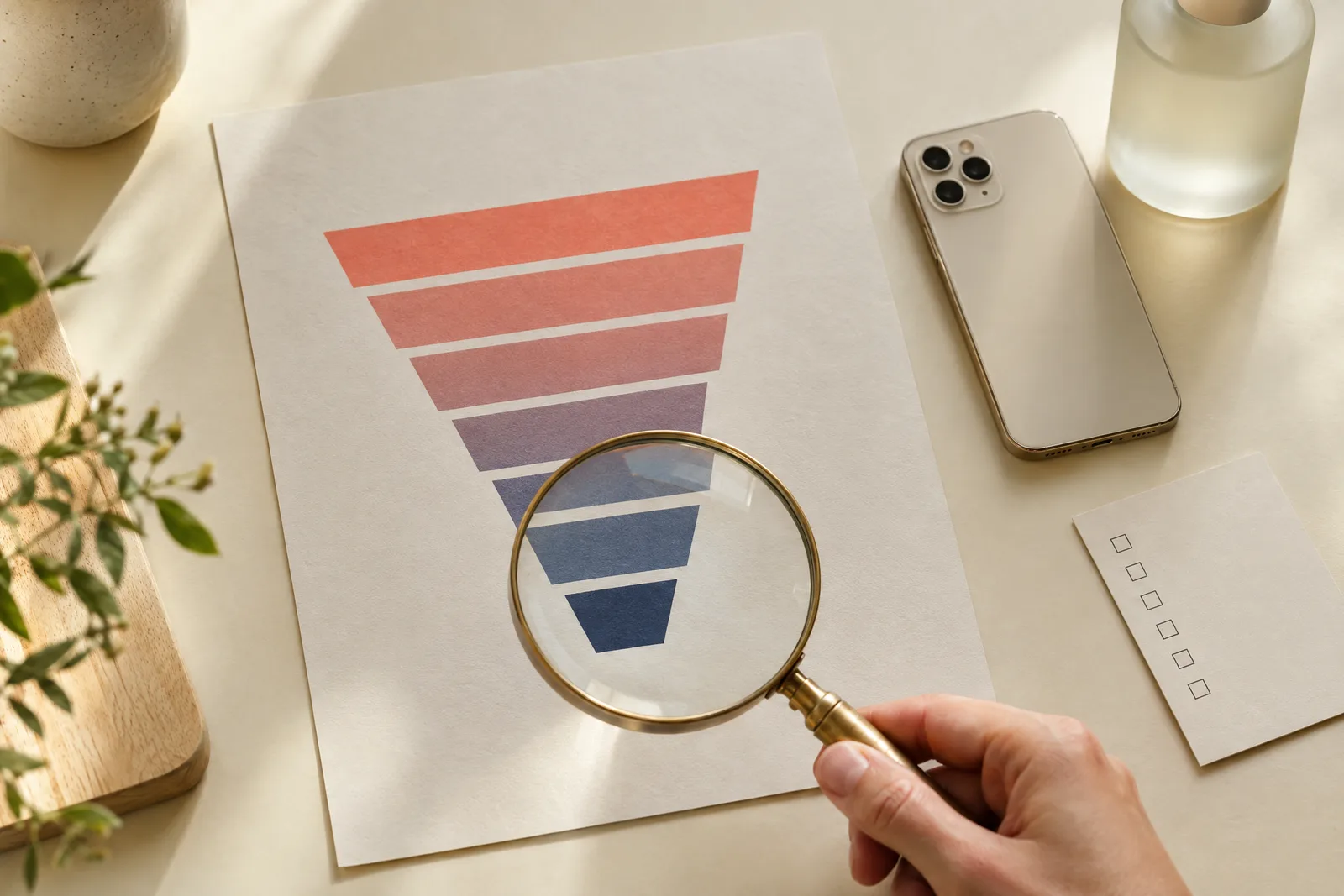
Find the row in the table closest to your situation. It’s our judgment, drawn from what each deal can and can’t require. The table gives no number of creators and no share who’ll post. We have no dataset we can cite for either. A figure without one would be a guess. Count your own results from the first round. Plan the second from them.
On budget, seeding costs more than it looks. Each parcel costs the product, the packing and the postage. It also costs someone’s time to choose recipients and follow up. For the hair oil, count the hours along with the bottles. Our article on gifted products that produced no posts shows how to count that cost. A paid post adds a fee for each creator. It buys a commitment to the date. Do you sell skincare and want to see how we’d stage the two? Our page on how Dahna works with skincare brands describes the approach.
Seeding or paid partnerships first, by situation
| Your situation | Start with | Then | Choose this if |
|---|---|---|---|
| New in the US, no creator relationships, no fixed date | Seeding | Pay the creators whose posts explained the product well | The product is cheap to send and you can wait for results |
| Launch or retail date is fixed | Paid partnerships | Seed more widely after the date to find the next group | You need posts in a set week and cannot leave timing to chance |
| You need ad creative from creators' accounts | Paid partnerships | Renew the ad authorization for posts that perform | You need usage rights and a Spark Ads or partnership ad code in writing |
| Claims need care (acne, sun protection, sensitive skin) | Paid partnerships with a review step | Seed only with a product fact sheet and a list of claims to avoid | A wrong claim would cost more than the fee |
| High unit cost or limited stock | A small paid group | Seed selectively to creators already buying in the category | Each parcel is expensive enough that you want a commitment |
| Seeding has already produced good organic posts | Paid partnerships with those creators | Keep a smaller seeding round running for discovery | You can name what you want each creator to make next |
What should be in place before you move a creator from seeding to paid?
Before you send a paid offer, check each creator against the list below. Does one gifted post justify a fee? That’s a separate judgment. Our guide to when a gifted creator should become a paid partner covers it.
The worksheet has the comparison, the stage table and this checklist. It adds a column for each creator. To price the paid offer, use the influencer rate calculator. All beauty and K-beauty marketing guides are on one page.
- Your seeding message said plainly that no post was expected, and you kept a copy.
- You asked every recipient to disclose the gift if they posted. You suggested wording, for example “Gifted by” and your brand name.
- You checked each post that came out for the disclosure and for claims. You wrote down what you found.
- You can say what this creator did well. Think of the demo, the audience questions and the fit with your buyer.
- You’ve written down the paid work: number of posts, platform, format and date.
- The product facts and the claims to avoid sit on one page that the creator will get.
- The offer states the fee. It states the usage rights with channels and term. It states any ad authorization with its number of days.
- You’ve agreed the disclosure wording for the paid post. Someone on your side will check it after it goes live.
- The creator has the product, or a new one. There’s enough time to use it before the post date.
In summary
Start with influencer seeding when you have no creator relationships and no fixed date. It also helps when your product is cheap to send. Pay first when you need a post on a set date. Pay first when you need approval before it goes live, or the right to run the video as an ad. A gift with no obligation can require nothing. A gifted post still needs a disclosure.
Sources & further reading
- FTC's Endorsement Guides: What People Are Asking, page dated June 2023 (checked November 11, 2026)Federal Trade Commission
- Disclosures 101 for Social Media Influencers, November 2019 (checked November 11, 2026)Federal Trade Commission
- Branded Content Policy, effective October 30, 2026 (checked November 11, 2026)TikTok
Stage seeding and paid posts around your dates.
Dahna is a new agency with no client results to publish. If you are planning a first creator program in the US, we can set out which creators to seed, which to pay, and the disclosure and rights terms each message should carry.
This article is general information, not legal advice. FTC and TikTok pages were read on the date shown and can change.