TikTok beauty content ideas for skincare, makeup, haircare and fragrance brands
Choose TikTok beauty content ideas by the customer's buying question, with practical briefs for skincare, makeup, haircare, body care and fragrance.
What TikTok content should a beauty brand create?
Useful TikTok beauty content ideas start with what a customer needs to understand: texture, shade, application, routine fit or the next step to try a scent. Choose a format that makes that answer visible, then give the viewer a relevant next action. A trend or a popular sound can frame the content, but it should not replace the product explanation.
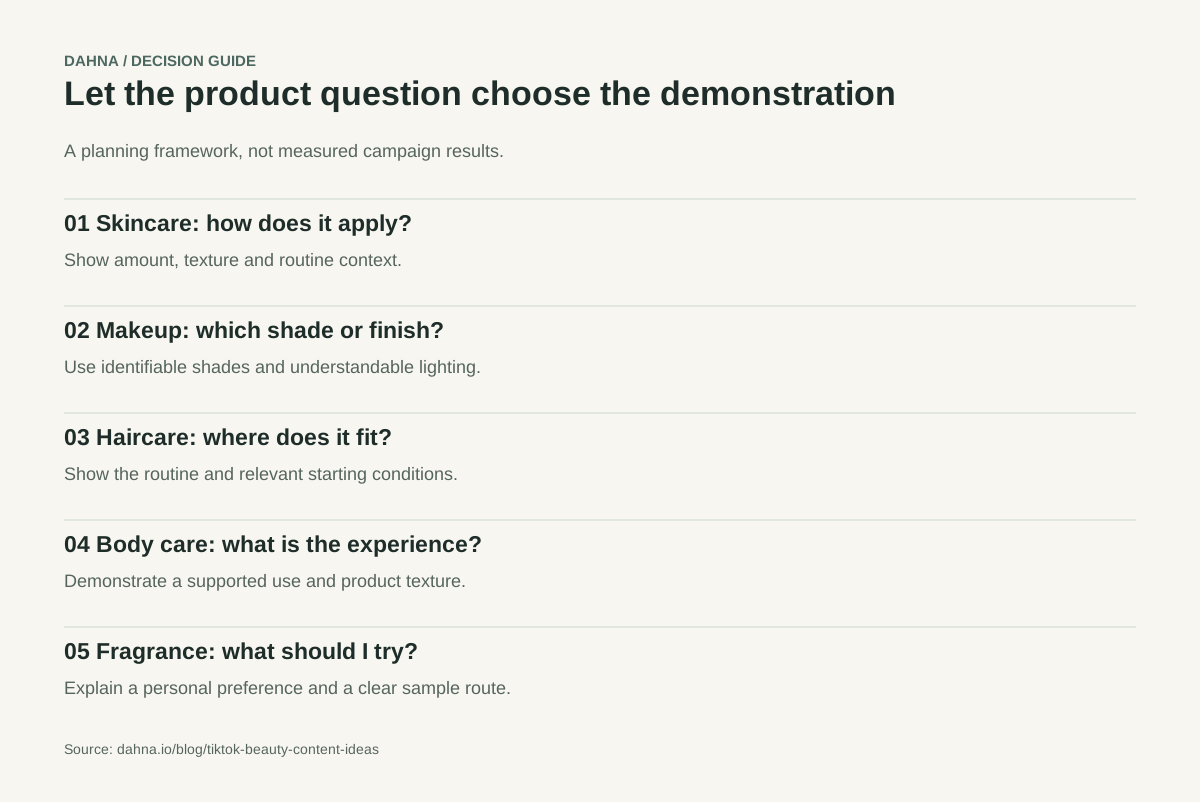
Let the product question choose the demonstration
- Skincare: how does it apply?
- CheckShow amount, texture and routine context.
- Makeup: which shade or finish?
- CheckUse identifiable shades and understandable lighting.
- Haircare: where does it fit?
- CheckShow the routine and relevant starting conditions.
- Body care: what is the experience?
- CheckDemonstrate a supported use and product texture.
- Fragrance: what should I try?
- CheckExplain a personal preference and a clear sample route.
How do you choose a TikTok beauty content idea?
Read product questions, support conversations, reviews and relevant public discussions. Separate questions your brand can answer from claims it cannot support. ‘How does this sit under makeup?’ suggests a demonstration. ‘Will this treat my condition?’ may require evidence and qualified review beyond a creator's personal experience.
TikTok's beauty creative guidance describes approaches including demonstrations, tutorials, routines and responses to comments. These are useful starting formats, not current performance guarantees. The ideas below are proposed briefs for brands to test; they are not a ranked list of today's most popular videos.
What should a skincare brand demonstrate on TikTok?
Build a texture-and-application video around an actual product use, with the amount and sequence visible. Keep lighting consistent and explain what other products are involved. A second useful brief is a response to a real compatibility question, limited to what the brand can substantiate.
For an unfamiliar Korean product, explain the role before introducing a long ingredient story. A viewer needs to understand what the product does in the routine and why it belongs there. Do not use a filter or an unrelated before-and-after image as product evidence.
- Brief: show the product amount and application rather than only the finished face.
- Brief: explain one routine decision a first-time buyer struggles with.
- Next action: link to a product page with the same usage explanation.
What makes a makeup demonstration useful to a buyer?
A shade demonstration needs context: identify the shade, keep the lighting understandable and show how it was applied. If comparing several options, hold the relevant conditions steady so the viewer can understand the difference. Represent a useful range of users without implying that one person stands in for everyone with a similar skin tone.
A technique video can answer a specific question such as how a creator builds coverage or changes the finish using the product. State which other products and tools are part of the demonstration. The useful outcome is a more informed choice, not merely a visually impressive transition.
- Brief: compare two application methods while naming the tools used.
- Brief: show one shade in clearly described lighting conditions.
- Next action: direct viewers to shade and finish information.
What context should a haircare creator include?
For a wash-day, styling or detangling demonstration, explain the creator's hair texture, length, relevant treatments and starting condition. Show the step where the product is used. If several products or tools contribute to the result, disclose that context rather than assigning the entire change to one item.
A follow-up can answer questions about amount, routine fit or how the person found the experience. Avoid compressing a long-term benefit into an immediate visual promise. The brief should stay inside the product's supported claims and the creator's actual use.
- Brief: show where the product fits in the creator's usual wash-day sequence.
- Brief: compare the creator's application choices without claiming a clinical result.
- Next action: offer detailed usage and suitability information.
How can body-care and fragrance brands show sensory products online?
For body care, a texture demonstration can make spread, application and packaging easier to understand. Keep any statement about the result tied to what is actually shown or supported. A routine video should make the product's role clear without implying that viewers need an unnecessarily complicated regimen.
For fragrance, use an honest comparison of scent descriptions, preferences or occasions, followed by an understandable trial option. Video cannot transmit a smell. A creator can explain why they would choose a sample; they cannot establish that every viewer will experience it the same way.
- Brief: show a body-care application and answer a specific packaging or use question.
- Brief: have a creator explain their personal choice within a discovery set.
- Next action: connect fragrance viewers to a clearly described sample offer.
How do you decide which beauty content ideas to repeat?
Select a few distinct questions that matter to the current customer. Record the product, audience, format, destination and expected signal for each. Keep enough conditions consistent that the result can inform a next decision. If every variable changes, a winning video provides less guidance about what to repeat.
Review content delivery and audience response before making a sales conclusion. Views can indicate attention; qualified visits and product questions can indicate interest; orders add commercial evidence. None is automatically a substitute for another. If the clip attracts shoppers who cannot buy in your market, large reach may add little immediate value.
| Customer question | Format | Evidence to review |
|---|---|---|
| Customer questionHow does this apply? | FormatVisible product demonstration | Evidence to reviewRelevant questions, destination visits and purchase behavior |
| Customer questionWhich option fits me? | FormatContextual comparison | Evidence to reviewUse of selection information and subsequent orders |
| Customer questionWhere does it fit in a routine? | FormatA clearly explained routine step | Evidence to reviewCustomer understanding and recurring objections |
| Customer questionCan I try the fragrance first? | FormatDiscovery-set explanation | Evidence to reviewSample purchases and later full-size orders |
Turn product questions into a useful content program
Dahna helps beauty and personal-care brands build product explanations, creator briefs and campaign content around the questions holding customers back. Tell us your category and the story you want people to understand.
Why consider Dahna for this work?
Dahna brings bilingual Korean and English strategy together with creator, content, and measurement work for beauty brands. You can review the people behind the recommendations and the kind of work we propose before starting a conversation.
Founder experience includes prior and contracted roles. Sample deliverables illustrate our approach; they are not client results or a performance promise.